Why Natural Dyes Matter and How to Choose Clothes Made With Them
Hey Cultivator, it is Angeline
When we talk about sustainable clothing, fabric usually gets most of the attention. But color matters too. The dyes used to color your clothes can affect your skin, your home, and the environment long after a garment is made.
Natural dyes are not about perfection or going back in time. They are about choosing gentler processes when possible and understanding what is actually touching your body every day. Just like with food and gardening, awareness is the first step.
🌱 What Natural Dyes Are and Why They Matter
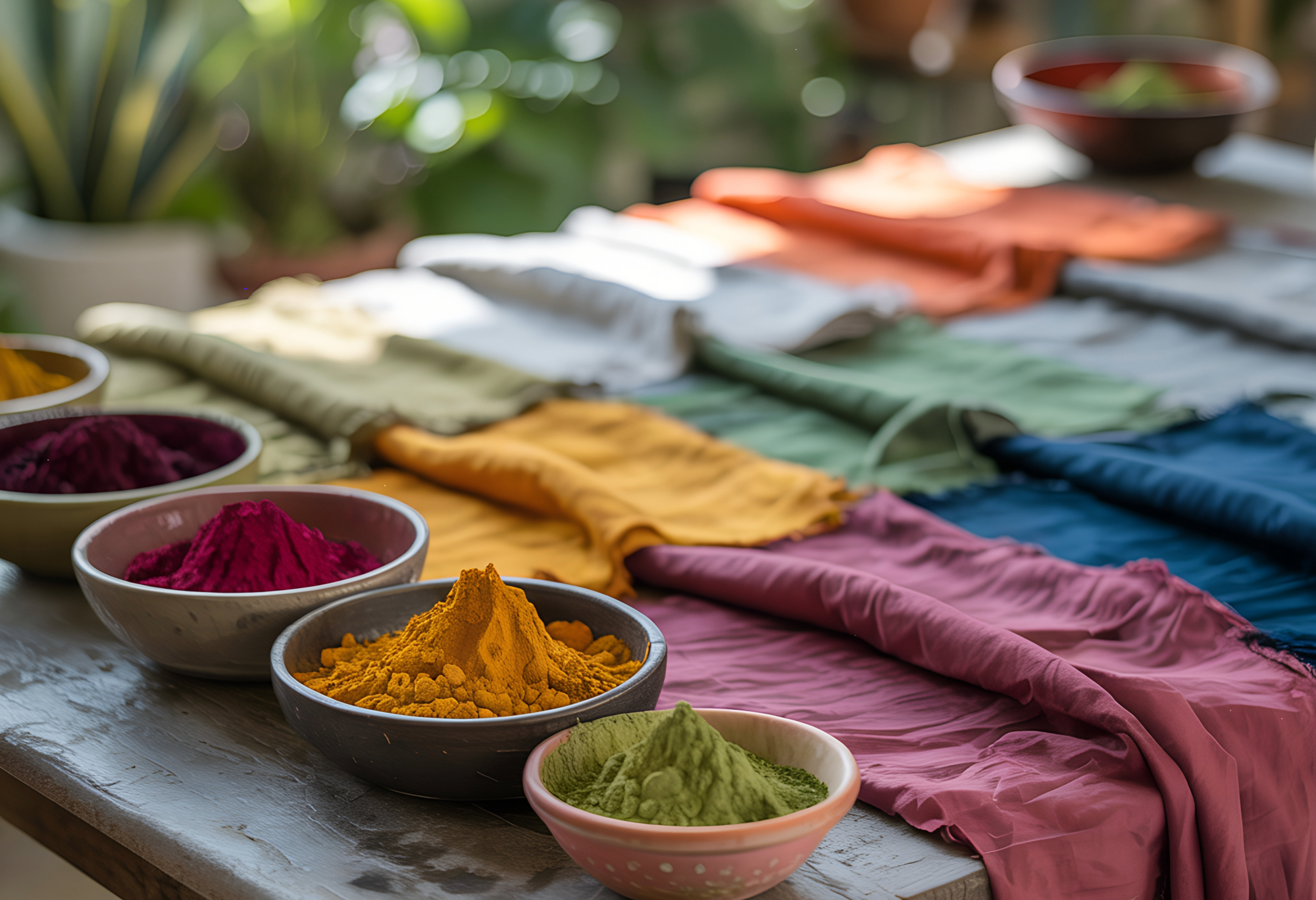
Natural dyes come from plants, minerals, and other naturally derived sources rather than petroleum based chemicals. Historically, color came from things like indigo leaves, madder root, onion skins, walnut hulls, and flowers.
These dyes tend to create softer, more complex colors rather than harsh, overly saturated tones. That subtlety is part of their beauty, but it is also part of their benefit. Natural dyes usually involve fewer harsh chemicals and less residue left on the finished fabric.
For your skin, that can mean less irritation, especially if you are sensitive to fragrances, synthetic finishes, or heavy processing. For the planet, it can mean fewer toxic byproducts entering water systems during production.
If you are already paying attention to fabric choices, pairing natural dyes with better fibers matters. You can explore Natural Fabrics That Are Better for Your Skin and the Planet and think of dye and fabric as one complete system rather than separate decisions.
If you want guidance and real life examples as you learn to spot these details, you can grow alongside me inside our sustainable wardrobe and wellness community for Cultivators.
🧪 Chemicals to Watch Out For When Reading Labels
Not all dyes are created equal. Many conventional clothing dyes rely on synthetic chemicals that can be harsh on skin and damaging to waterways if not handled responsibly.
When you are reading labels or product descriptions, be cautious of vague language. “Dyed for colorfastness” or “treated for vibrant color” does not tell you much. Brands that are using safer practices are usually more specific.
Here are a few things to be mindful of:
Azo dyes, which are common in fast fashion and can release harmful compounds
Heavy metal based dyes, sometimes used to fix color
Strong chemical finishes added to lock in bright color
“Eco” claims without details about the dye process
Look instead for mentions of plant based dyes, low impact dyes, or certifications that explain how color is achieved. Specific information is usually a good sign.
For a broader look at how marketing language can be misleading, you may also find What Sustainable Clothing Really Means and How to Spot Greenwashing helpful as you shop.
👚 How to Choose Clothes Made With Natural or Lower Impact Dyes
You do not need to overhaul your closet to start. Begin with the pieces closest to your skin or the items you wear most often.
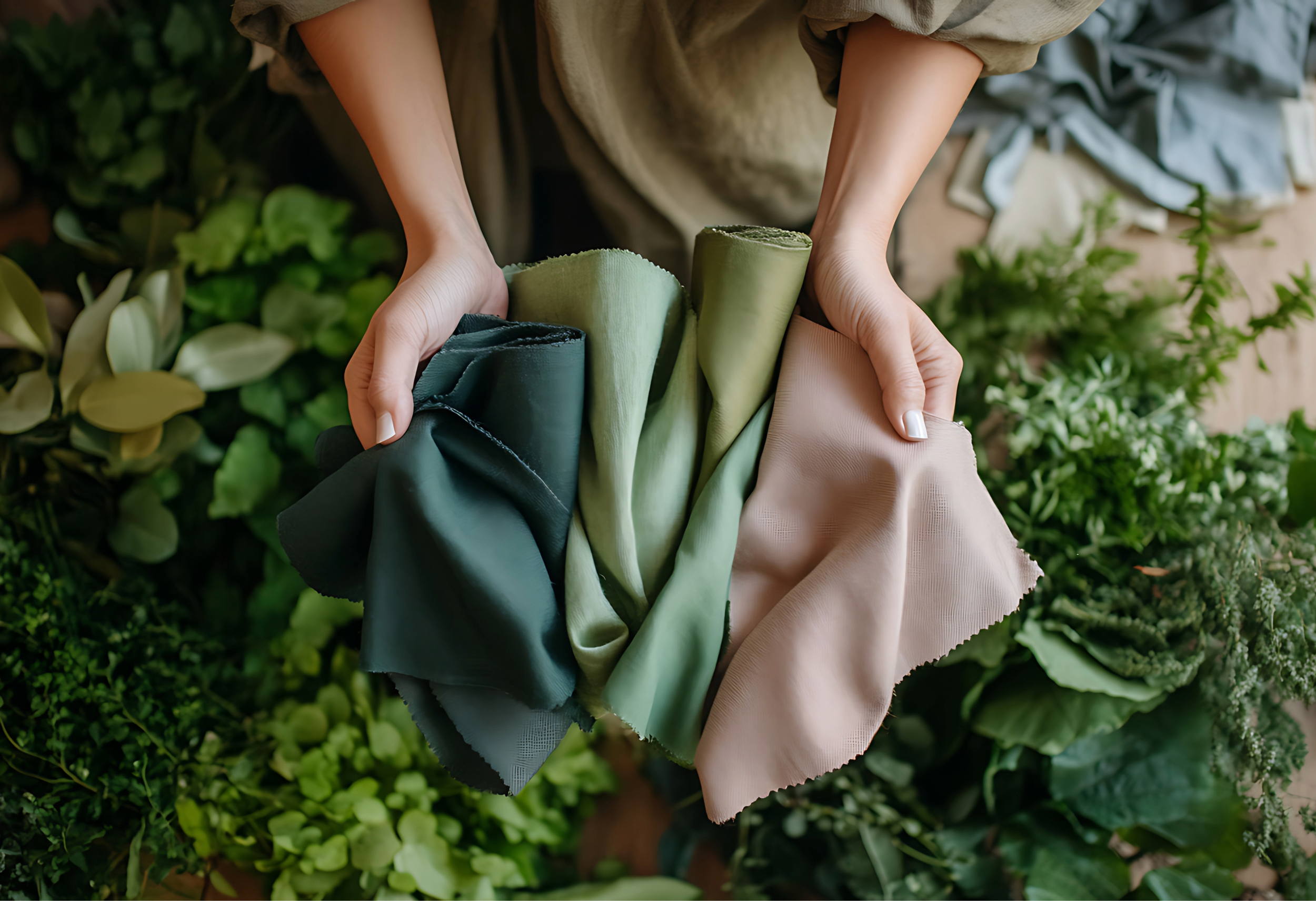
Naturally dyed clothing often shows up in neutral tones, earth colors, soft blues, warm browns, and muted greens. These colors mix easily and work beautifully in a more intentional wardrobe.
As you shop, check brand websites for transparency. Look for descriptions of how garments are dyed, where they are made, and how the brand handles water and waste. Smaller brands and secondhand pieces are often easier places to find naturally or gently dyed items.
If you are building your wardrobe slowly and intentionally, pairing natural dyes with long wearing silhouettes supports both sustainability and ease. How to Build a Sustainable Wardrobe Without Buying Everything New can help you see how dye choices fit into the bigger picture.
If you are ready to sell pieces that no longer align with your values or shop more secondhand for naturally dyed clothing, you can create your own account through this Poshmark sign up link and use code ANGELEYES2442 to sign up and get $10 off your first purchase. It is a simple way to keep clothing in circulation while refining your style.
🧠 Why Natural Dye Choices Support Healthier Living
Clothing touches your skin all day long. Choosing fabrics and dyes that are gentler is another form of self care.
Natural dyes often pair with fewer chemical finishes, which can support calmer skin and a cleaner indoor environment. Over time, choosing softer processes also helps reduce the overall chemical load associated with clothing production.
These choices echo what many of us already practice in the garden and home. We choose soil over chemicals. We choose fresh air and natural light. We choose materials that age well instead of breaking down quickly.
You do not need to eliminate every brightly dyed piece from your closet. Start with awareness. Let your next purchase be a little more thoughtful than the last.
🌞 Final Thoughts
Natural dyes matter because they remind us that color does not have to come at the expense of health or the environment. When paired with better fabrics and mindful buying habits, they support a wardrobe that feels calmer, safer, and more aligned with how you live.
Start small. Read one label. Ask one question. Choose one piece that feels right. Just like in the garden, these small decisions add up over time.
Stay Green Always 💚
Angeline Verdant