Why Gardens Struggle and What Actually Helps Them Thrive
Hey Cultivator, it is Angeline
Today is a good day to grow with clarity.
One of the most common frustrations I hear from home gardeners is this: “I don’t understand why my garden isn’t doing well.” Often, the plants were labeled easy. The seeds were high quality. The system looked right. Yet growth stalls, leaves fade, and confidence drops.
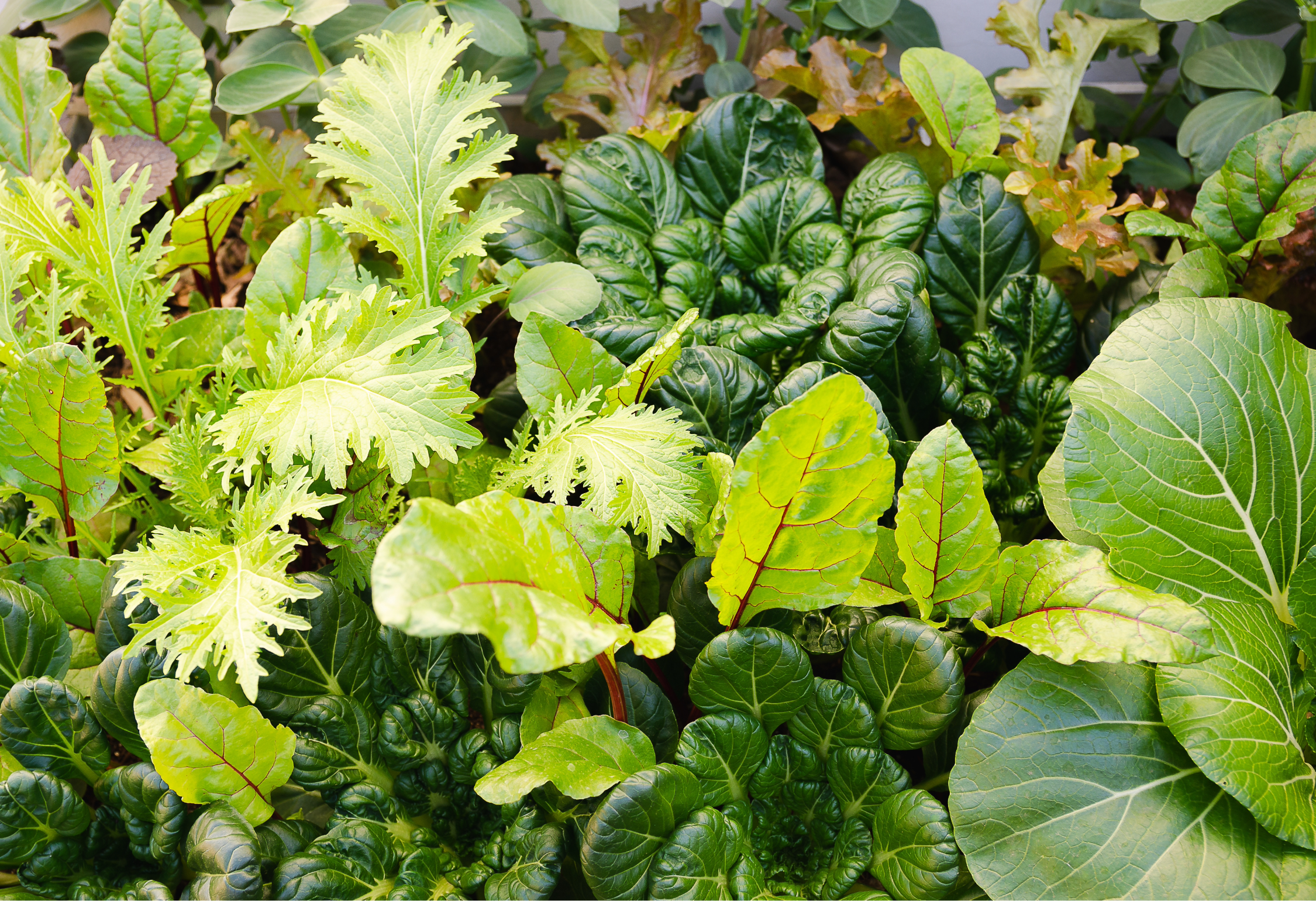
Here’s the truth most gardeners are never told. Gardens rarely struggle because of the plants themselves. They struggle because care is inconsistent, adjustments come too late, or expectations do not match how plants actually grow.
Once you understand that, everything changes.
🌱 The Real Reason Most Gardens Struggle
Plants are living systems. They respond to light, water, nutrients, airflow, and timing. When one of those factors is off for too long, stress builds quietly until symptoms appear.
Many gardeners respond by switching plants, adding more fertilizer, or watering more often. But those reactions usually treat the symptom, not the cause.
What gardens actually need is consistent observation and small, timely adjustments. When growers learn how to read what plants are telling them, problems become easier to correct and far less overwhelming.
This is why growers using steady systems often see better results. If you grow indoors, My Favorite Indoor Gardening System for Growing Food Year Round shows how consistency can remove a lot of guesswork.
🌞 Why Seasonal Awareness Makes a Bigger Difference Than Variety
Another major reason gardens struggle is ignoring seasonal change.

Even indoor plants experience seasons. Light angles shift. Growth slows or accelerates. Water use changes. Nutrient demand rises and falls. When care stays the same all year, plants slowly drift out of balance.
Seasonal awareness does not mean doing more. It means doing things at the right time. Adjusting watering during low light months. Feeding more during active growth. Moving plants as light changes.
When you garden seasonally, stress decreases for both you and your plants.
🍃 The Core Areas That Matter Most
Instead of focusing on everything at once, successful growers focus on a few foundational areas. When these are stable, gardens improve quickly.
Light that is strong enough and lasts long enough
Watering that allows roots to breathe between cycles
Nutrients that support steady growth, not forced growth
Airflow that prevents stagnation and disease
Simple routines that are easy to repeat
When these basics are in place, plants become more forgiving. Small mistakes matter less because the foundation is solid.
If you want help learning how to prioritize these areas without overwhelm, you are welcome to grow alongside me inside our wellness and gardening community for Cultivators.
🪴 Why Beginners Often Feel Like They Are Failing
Many beginners believe experienced gardeners have a secret they are missing. In reality, experienced growers have simply learned what to watch for and when to adjust.
Beginners often receive too much information at once. Conflicting advice. Overly complex schedules. Unrealistic expectations. That creates confusion and hesitation.
Confidence grows when guidance is clear and systems are simple. Once beginners understand that plants do not need perfection, they relax. Relaxed growers observe better. Better observation leads to better results.
This is also why placement matters so much. Light and airflow often explain more than any product ever will. How to Find South Facing Windows for Your Plants is a helpful starting point for improving growth without buying anything new.
🧠 Gardening Is a Skill, Not a Personality Trait
Some people think they have a “green thumb” and others do not. That idea holds many growers back.
Gardening is a learned skill. It improves with repetition, feedback, and patience. Each season teaches you something new. Each mistake sharpens awareness. Over time, patterns become familiar.
When you stop blaming yourself and start listening to your plants, confidence builds naturally.
This mindset shift is powerful. It turns gardening from a source of stress into a steady, grounding part of daily life. It also connects beautifully with the wellness side of growing, something I explore more deeply in Gardening as a Way of Living.
🌞 Final Thoughts
Gardens do not struggle because growers are doing everything wrong. They struggle when plants are not given consistent care, seasonal adjustments, and clear guidance.
When you focus on routines instead of perfection, growth improves. When you adjust early instead of reacting late, confidence grows. When you treat gardening as a relationship instead of a result, everything feels lighter.
Start small. Observe more. Adjust gently. Your garden will respond.
Stay Green Always 💚
Angeline Verdant
