🌿 7 Vertical Gardening Mistakes That Slow Growth and How to Avoid Them
Hey Cultivator, it’s Angeline 🌿
Vertical gardening is one of the most efficient and beautiful ways to grow food in small spaces. A corner of your living room, a balcony wall, or a compact patio can become a living pantry filled with lettuce, herbs, peppers, and flowers. Whether you are growing indoors with a smart hydroponic system or outside in a vertical tower, stacking your plants upward lets you harvest more food in less space with less bending and less mess.
But as powerful as these systems are, they are also precise. When growth slows, leaves yellow, or your harvests feel smaller than expected, it is usually not the system itself that is failing. Most of the time, a few quiet vertical gardening mistakes are getting in the way. The good news is that once you can spot them, they are easy to fix and your plants often bounce back quickly.
Let’s walk through seven vertical gardening mistakes that slow growth and how to avoid them so your vertical garden can thrive indoors or outdoors.
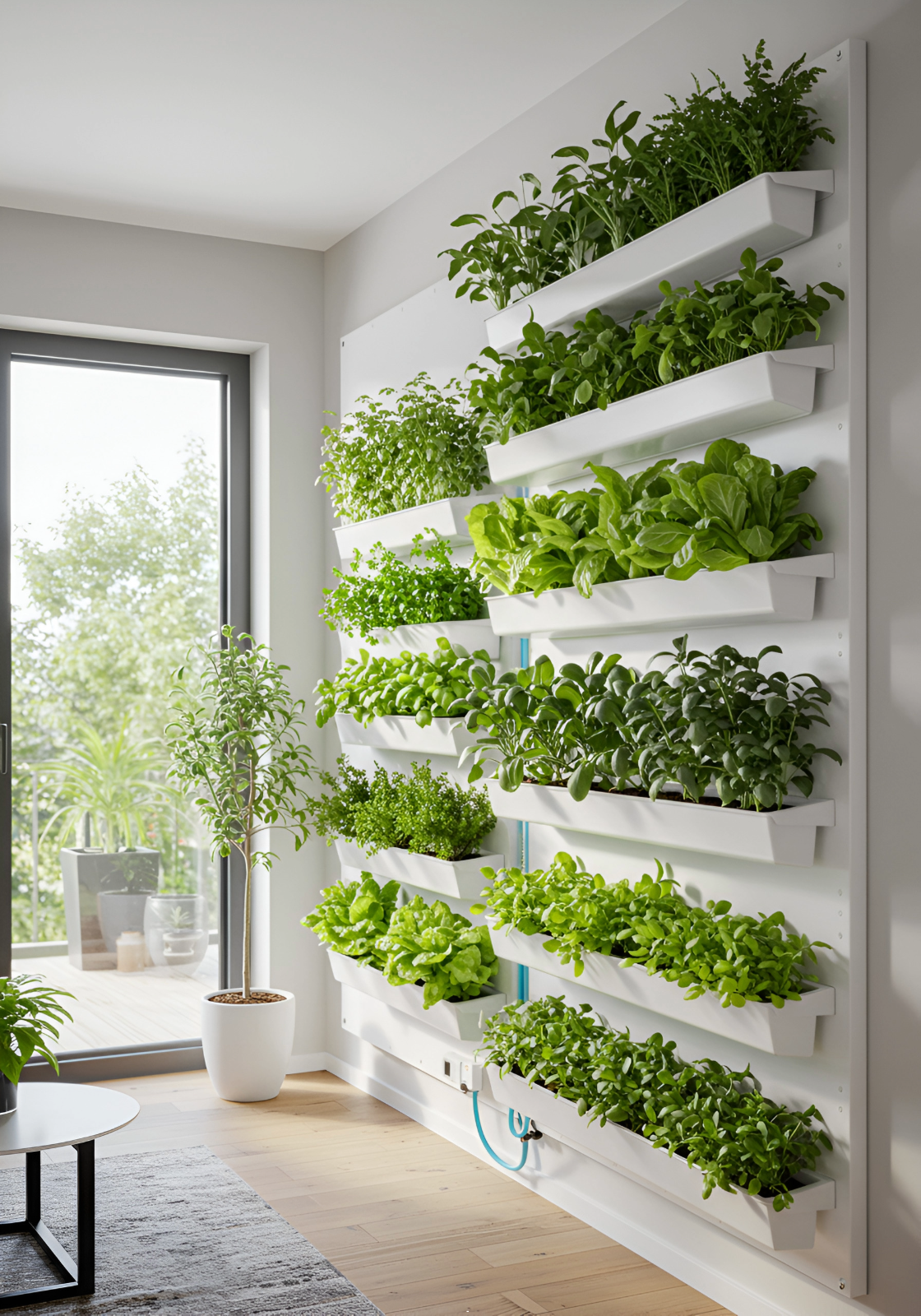
Mistake 1: Overcrowding Plants in Tight Spaces
Vertical gardening makes it very tempting to plant every single pocket. It feels efficient to fill every opening with a seedling. What actually happens is that plants begin to compete for the same light, airflow, water, and nutrients. Instead of one strong plant per space, you get several thin, stretched plants that never fully mature.
In an overcrowded vertical garden, leaves press against each other and shade the plants below. Some leaves stay damp longer than they should, which invites fungus or pests. Plants start to lean out from the tower to find light and overall growth slows down.
Give each plant the space the system recommends, even when it feels like you are leaving an empty spot. Thin extra seedlings early so the strongest one has full access to the pocket. Place larger fruiting crops like peppers or tomatoes where they will not overshadow tender greens. A vertical garden with a little breathing room almost always gives you more usable food than one that is crammed full.
If you want to explore one of my favorite smart vertical systems and save on your own setup, you can learn more and purchase Gardyn through my link.
Mistake 2: Placing Tall Crops in the Wrong Position
Height matters in vertical gardening. Tall crops like tomatoes, peppers, okra, or some basil varieties can become beautiful but bossy neighbors. When they are placed in lower or inner pockets, they quickly create shade that blocks light from reaching the plants behind and below them.
Over time you may notice the greens under a tall plant looking thinner and paler, or growing only along the edges where light sneaks in. The upper plant thrives, but the rest of the tower slows down.
Treat your vertical garden like a living city. Tall crops belong toward the top or along the outer edges, where they can stretch and capture light without smothering everything else. Keep medium height plants in the middle tiers and reserve the most tucked in spaces for compact greens and herbs. A little planning with plant height gives the whole garden a better chance to grow evenly.
Mistake 3: Inconsistent Watering and Poor Water Flow
Vertical systems, especially hydroponic ones, rely on smooth, consistent water movement. Roots are expecting a steady rhythm of moisture and nutrients. When the water level in the reservoir drops too low or a pump starts to clog, the upper parts of the system often feel it first. Some plants may wilt at certain times of day, while others look perfectly fine.
In soil based towers, upper pockets can dry out faster than lower ones. If you only check moisture near the bottom, the plants at the top may be struggling in silence.
Create a simple routine that works with your life. Check water levels on a set day each week and glance at the pump to be sure it is running smoothly. In soil towers, gently press into the soil at several levels to feel how moisture is distributed. Top up water and nutrients before plants experience stress, not after. Vertical gardening becomes much easier when water is steady, predictable, and evenly distributed.
Mistake 4: Ignoring Root Health in Vertical Systems
What you see above the surface is only half of the story. In vertical and hydroponic gardening, root health often explains why a plant is thriving or struggling. Healthy roots tend to be white or cream colored, firm, and smell fresh. When roots look brown or tan, feel slimy, or give off a sour smell, the plant is signaling trouble.
Roots can become crowded, especially when multiple plants in a tower send roots into the same channel. If water is not moving well, or if the nutrient solution has not been refreshed in a while, roots may sit in stagnant water and lose access to oxygen.
Make time to gently check roots every couple of weeks. Lift out a pod or cup and look closely. Trim away dead or mushy roots with clean scissors. If the water looks cloudy or smells off, refresh it and mix a clean batch of nutrients. When certain pockets always seem overloaded with roots, rotate heavier feeders out of those positions and place lighter greens there instead. When you protect root health, plants often respond with brighter leaves and faster new growth.
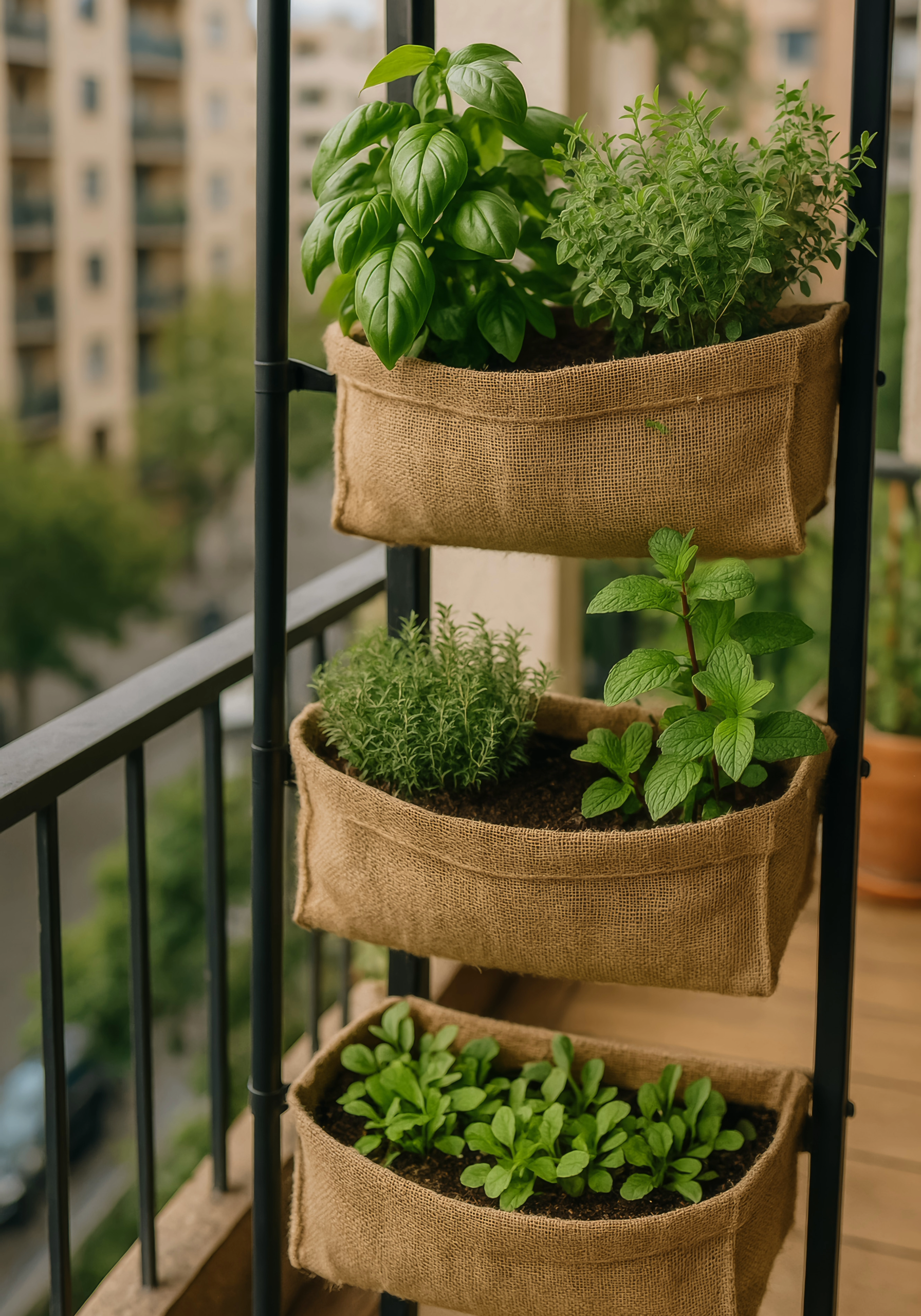
Mistake 5: Using the Wrong Nutrient Strength
Nutrients are the part of vertical gardening that many Cultivators worry about, but they do not have to be complicated. The most common issue is using nutrient solutions that are either too strong or too weak for the plants and their growth stage.
A mix that is too strong may cause brown tips on leaves, crispy edges, or bitter flavors in leafy greens. Plants may look dark but grow slowly. A mix that is too weak leaves plants pale, thin, and easily stressed any time light, water, or temperature shifts.
Remember that not all plants eat the same way. Lettuce, spinach, and many herbs prefer a lighter nutrient strength, while heavy feeders such as tomatoes and peppers can handle more. Seedlings and very young plants always need a gentler mix than full size plants.
Follow the guidelines for your system and nutrient brand and watch how your plants respond in the days after each change. If you see early signs of stress, dilute the reservoir with fresh water rather than adding more nutrients. Your goal is steady, balanced feeding, not chasing rapid growth with strong doses.
Mistake 6: Harvesting Too Late or Not Often Enough
Harvesting is where the joy shows up in gardening, but in vertical systems many growers wait longer than they need to. They imagine a single big harvest at the end instead of many small ones along the way. By the time they finally cut, lettuce is oversized, greens may have turned stronger in flavor, and the plant has already slowed down.
Vertical gardens shine when you treat them like a living salad bar. As soon as leaves look large enough to enjoy, you can start harvesting from the outer edges and leave the center of the plant intact. This cut and come again style keeps plants in an active growth phase. New leaves stay tender, and the plant continues feeding your kitchen over many weeks.
Get comfortable walking up to your vertical system with a pair of scissors and taking what you need for the day. Snip herbs regularly so they branch and become fuller. Pick ripe fruits as soon as they are ready so the plant is encouraged to set more. When harvesting becomes part of your weekly routine, your vertical garden learns to keep producing for you.
Mistake 7: Forgetting Airflow and Temperature Control
A thriving vertical garden is lush, layered, and full of leaves. That beauty also means there is a lot of plant material in a close space. Without good airflow, moisture lingers on leaves after watering and humidity can build up deep inside the tower. That is when mildew, fungus, and pests are more likely to appear.
Look at where your system is placed. If it is tucked into a still corner or pressed tightly against a wall, air may not be moving as much as your plants need. A small fan on a gentle setting placed a short distance away can keep air flowing without drying out the leaves. Try to avoid vents that blast hot or cold air directly onto the plants and avoid locations where temperatures swing dramatically between day and night.
As your plants mature, remove tired or yellowing leaves and thin out areas that feel overly dense. Light and air should be able to reach into the center of the garden. When a vertical system can breathe, stems grow stronger and plant health issues become much easier to manage.
If you want help choosing a vertical or hydroponic system that matches your space and the crops you love to grow, you can explore my hydroponic and indoor gardening device recommendations here
🌸 Keep Growing with Me
For real time updates, vertical gardening tips, and seasonal garden insights, Join the Cultivators community
🌞 Final Thoughts
Vertical gardening is powerful, efficient, and deeply rewarding. When you avoid these seven vertical gardening mistakes, your plants grow faster, stay healthier, and produce more food with less effort.
Give your plants space. Rotate for light. Support airflow. Harvest consistently.
Your garden will respond with abundant growth and stronger roots every season.
Stay Green Always 💚
— Angeline Verdant
Hello, World!
