What Actually Slows Indoor Plant Growth and How to Fix It
Hey Cultivator, it is Angeline
Today is a good day to help your plants grow stronger.
Slow growth indoors is one of the most common challenges growers face. Seeds sprout, plants stay alive, but progress feels stalled. Lettuce remains small. Basil grows but never fills out. Tomatoes flower slowly. Radishes leaf out but take longer than expected underground.
This kind of slowdown is not random. Indoor plants respond directly to their environment, and when growth slows, it is usually because one or two key conditions are limiting their ability to develop fully.
Once you know what those limits are, growth becomes much easier to correct.
🌱 Light Is the Primary Growth Driver
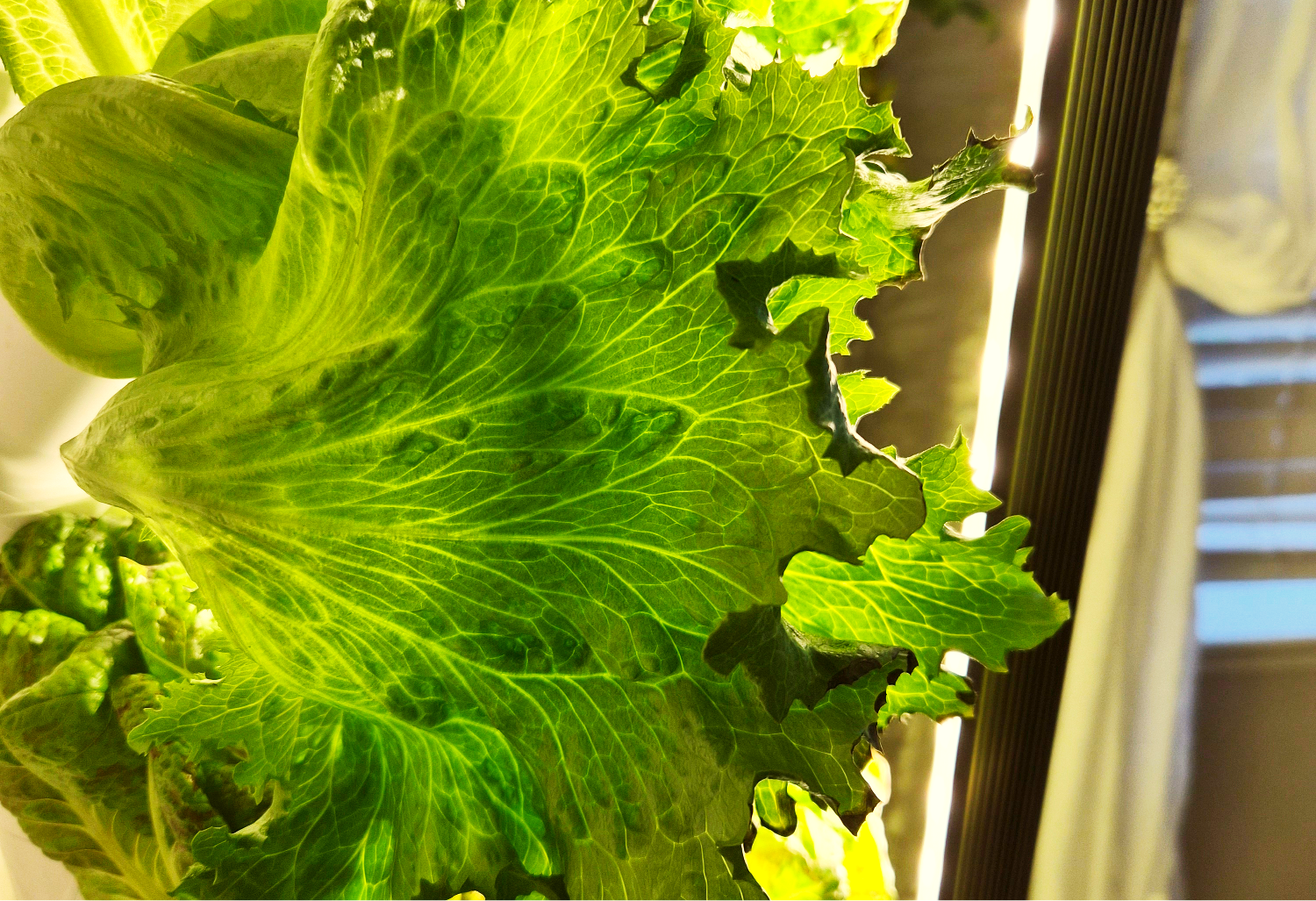
Most slow indoor growth starts with light.
Leafy greens like lettuce, arugula, and spinach need consistent, bright light to produce new leaves. Herbs such as basil, cilantro, and parsley require enough intensity to maintain compact growth and strong flavor. Fruiting plants like tomatoes and peppers need even more light to support flowering and fruit development.
When light is insufficient, plants conserve energy. Leaves stay small. Stems stretch. Growth slows even if watering and nutrients are correct.
Many indoor spaces feel bright to us but fall short for plants. Distance from windows, sun angle, and seasonal changes all affect usable light. Before adjusting anything else, look closely at placement.
If you want help identifying the strongest natural light in your home, How to Find South Facing Windows for Your Plants is a useful starting point.
🌬️ Airflow Strengthens Growth and Prevents Stagnation
Airflow plays a quiet but important role in plant development.
Without airflow, moisture lingers on leaves and around soil surfaces. This can slow nutrient uptake and weaken stems, especially for herbs and leafy greens grown close together. Fruiting plants may develop thinner stems that struggle to support flowers later.
Gentle air movement helps plants regulate moisture, strengthens cell structure, and encourages steady growth. This does not require strong fans. Simple spacing adjustments or light circulation can dramatically improve plant performance.
Plants grown indoors benefit from movement just as much as those outdoors.
🌿 Nutrients Support Growth Only When Balanced
When plants grow slowly, it is tempting to feed more often. In reality, imbalance is a more common problem than deficiency.
Leafy greens may turn pale if nutrients are low, but they may also stall if salts build up from overfeeding. Herbs can grow leggy when nitrogen is high but light is low. Fruiting plants may produce lots of leaves but delay flowers if nutrients are not balanced with light.
Here are the most common nutrient related issues that slow indoor growth:
Feeding too frequently when light levels are limited
Applying strong nutrients before roots are fully established
Ignoring signs of buildup such as leaf tip burn or slowed uptake
Balanced feeding, timed with active growth, supports stronger development than frequent feeding alone.
🪴 Spacing and Placement Affect Growth Speed
Indoor plants need room to grow.
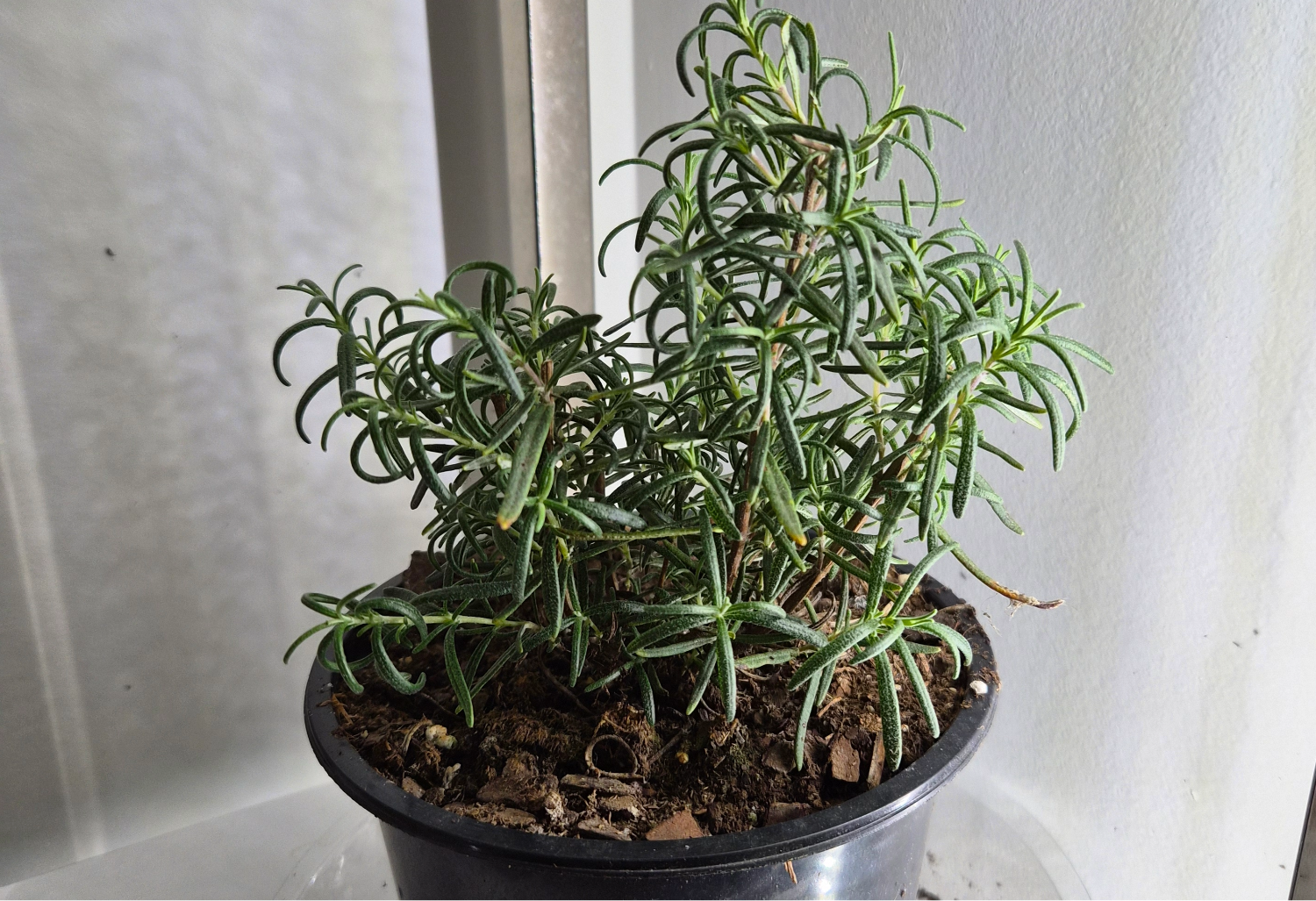
Crowding reduces airflow and blocks light from reaching lower leaves. Lettuce grown too close together stays small. Basil planted tightly competes for light. Tomato and pepper plants shaded by neighboring growth slow down even if everything else is right.
Spacing allows plants to capture light fully and supports healthier root zones. Sometimes moving one plant a few inches or removing excess growth is enough to restart healthy development.
Intentional spacing is one reason systems designed for indoor growing perform so well. My Favorite Indoor Gardening System for Growing Food Year Round shows how placement and spacing work together to support consistent growth.
🧠 Slow Growth Is Information, Not Failure
Slow indoor growth is one of the clearest ways plants communicate stress. It is not a sign that you are doing everything wrong. It is feedback.
When you respond by observing instead of reacting, plants often recover quickly. Growth resumes. Leaves size up. Roots strengthen. Confidence grows along with the plants.
Learning to read these signals becomes easier with experience and guidance. If you want support adjusting placement, feeding, and routines for herbs, greens, and fruiting plants, you are welcome to grow alongside me inside our wellness and gardening community for Cultivators.
🌞 Final Thoughts
Indoor plants grow slowly when one key condition limits their ability to use energy. Most often, that condition is light, followed closely by airflow, spacing, and nutrient balance.
When you address the environment first, growth follows naturally. Plants become sturdier. Harvests improve. Growing indoors feels calmer and more predictable.
Observe carefully. Adjust gently. Let your plants show you the way.
Stay Green Always 💚
Angeline Verdant
