Natural Fabrics That Are Better for Your Skin and the Planet
Hey Cultivator, it is Angeline
Today is a good day to get dressed in something that feels as kind as your garden.
The clothes closest to your skin can either trap heat, hold onto odors, and shed microplastics, or they can help your body breathe and support a lifestyle that feels more grounded and sustainable. Choosing natural fabrics is one of the simplest ways to care for both your skin and the planet without changing your entire wardrobe overnight.
Let us walk through the natural fibers that deserve a bigger place in your closet and how to work them in slowly and intentionally.
🧵 What Makes a Fabric “Better” for You and the Earth
When we talk about “better” fabrics, we are really talking about three things: how they feel on your body, how long they last, and how they are grown and processed.
Linen, made from the flax plant, is known for its durability, breathability, moisture wicking, and hypoallergenic properties. The fibers are stronger than cotton and can last for many years when cared for well. Flax is also a low input crop that often relies mostly on rainfall rather than heavy irrigation, which lowers its environmental footprint.
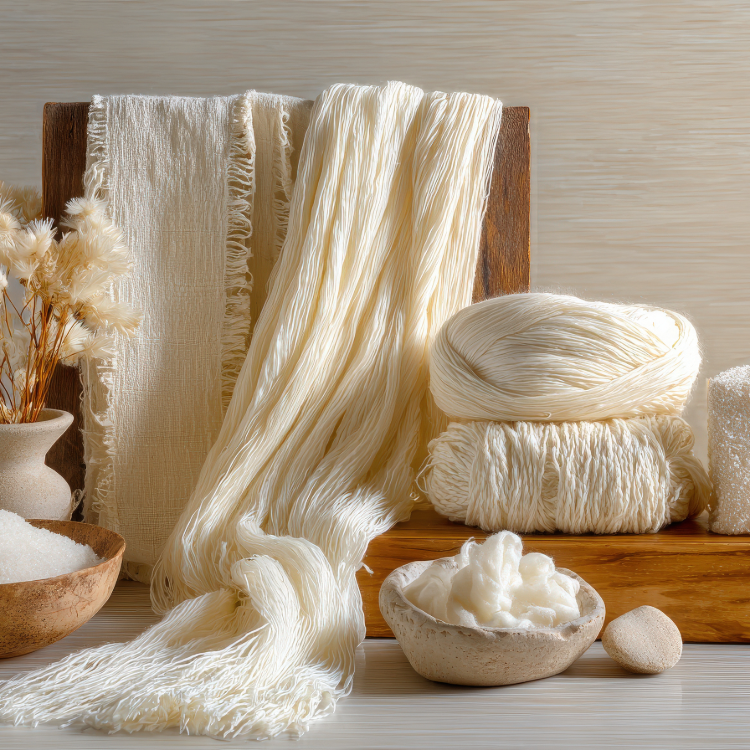
Organic cotton is grown without synthetic pesticides and harsh chemicals and is gentler for sensitive skin. It is breathable, absorbs moisture, and helps keep skin cool and dry, reducing irritation and heat rash risk.
Hemp requires far less water than conventional cotton and typically needs no synthetic fertilizers or pesticides. It grows quickly, helps replenish soil, and produces a fabric that is strong, long lasting, and softer with each wash.
Bamboo based fabrics can be very soft and breathable, with good moisture wicking and comfort near the skin, but they vary. Mechanically or lyocell processed bamboo tends to be more sustainable, while chemically processed bamboo viscose can involve harsher solvents unless manufacturers use closed loop systems.
If you want to see how one of these fibers shows up in the bedroom, you can explore Why Linen Sheets Are Better for Sleep, Skin, and Sustainable Living and let that guide a future upgrade.
If you would like help pairing better fabrics with your real lifestyle and body, plus live check ins while you reset your wardrobe slowly, you can learn alongside me inside our sustainable wardrobe and wellness community for Cultivators.
👗 Natural Fabrics to Look For First
You do not have to memorize every fiber on the market. Start by learning a few names that you can look for on tags:
Linen (made from flax) for breathable tops, dresses, pants, and bedding
Organic cotton for everyday basics like tees, underlayers, and loungewear
Hemp or hemp blends for sturdy pants, jackets, and casual pieces
Bamboo (especially labeled as bamboo lyocell) for soft layers close to the skin
When you see these names, read the tag closely. Look for “100% linen” or “100% organic cotton” when possible, or blends where the natural fiber is the main ingredient. Over time, these choices shift your wardrobe toward fabrics that support your skin and align more closely with your sustainable values.
🧺 How to Shift Your Closet Toward Natural Fabrics
You do not need to empty your closet to start. Begin with the pieces you wear most often and the items that sit closest to your skin.
Swap out synthetic heavy basics—like leggings, tees, sleepwear, or underlayers—for organic cotton, linen, or bamboo where you can. When something wears out, replace it with a natural fabric version instead of repeating the same synthetic purchase.
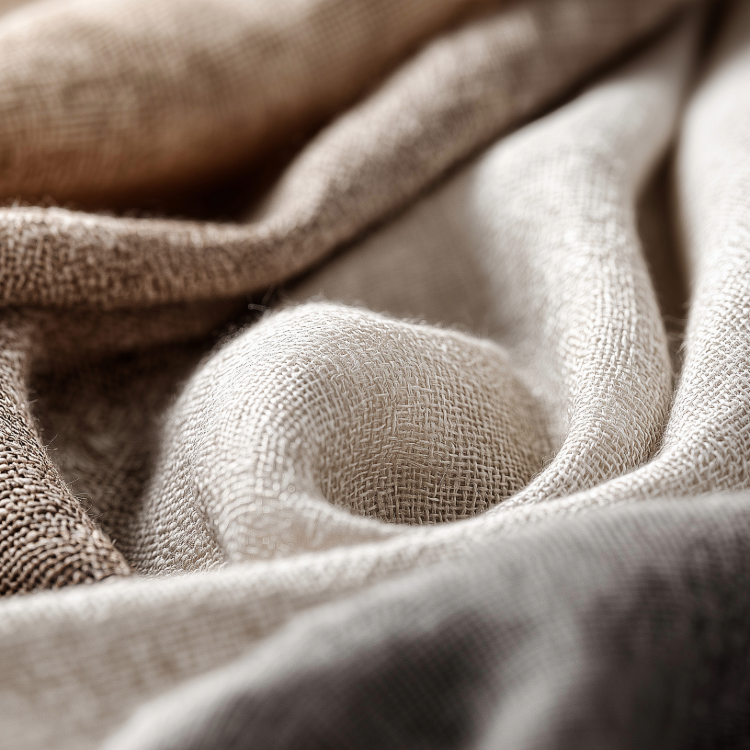
When you are ready to refresh or clear space, secondhand is your best friend. You can donate or sell what no longer works and hunt for linen, organic cotton, hemp, and bamboo pieces that have already proven they can last.
If you want to sell items you no longer wear or start shopping more secondhand pieces, you can create your own account through this Poshmark sign up link and use code ANGELEYES2442 to sign up and get $10 off your first purchase. It is an easy way to let go of what you no longer use and begin rebuilding your wardrobe with more sustainable fabrics.
For a bigger picture view of wardrobe changes, you can also explore How to Build a Sustainable Wardrobe Without Buying Everything New and let that post sit beside this one as you plan your next steps.
🧠 Letting Fabric Choices Support Your Whole Lifestyle
Natural fabrics are not only about comfort. They are another way to live in alignment with the same values you bring to your garden and your home.
Breathable, low toxin fibers can support better sleep, calmer skin, and less irritation throughout the day. Longer lasting materials mean fewer emergency replacements and less waste. Choosing linen, organic cotton, hemp, and carefully sourced bamboo is one more way of saying that both your body and the earth deserve gentler care.
You do not have to change your entire closet this season. Start with one category—sleepwear, everyday tops, or sheets—and shift that toward natural fabrics. As those choices become your new normal, you can slowly extend the same care to the rest of your wardrobe.
Stay Green Always 💚
Angeline Verdant
