What Sustainable Clothing Really Means and How to Spot Greenwashing
Hey Cultivator, it is Angeline
Today is a good day to get dressed with clarity.
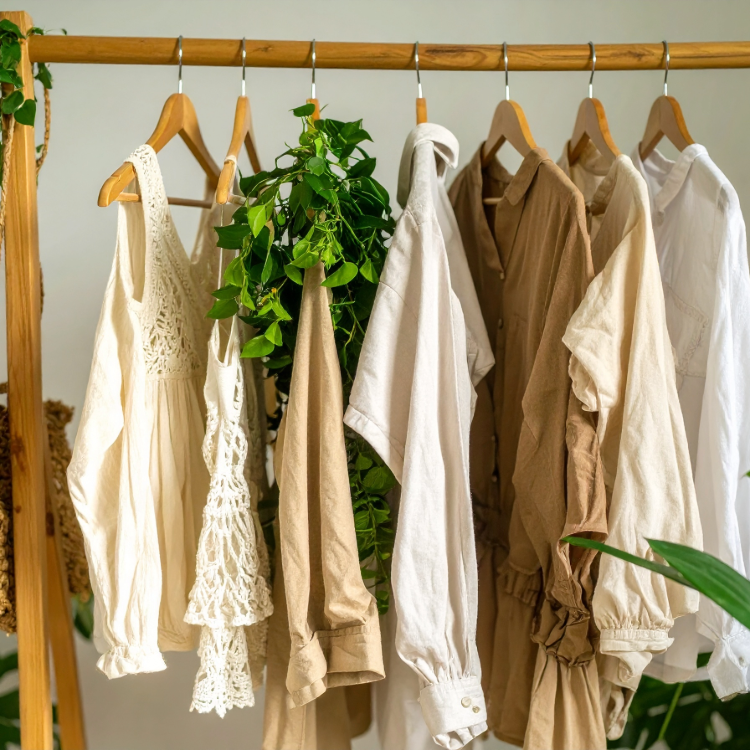
“Sustainable,” “eco friendly,” and “conscious” are everywhere in fashion right now. Some brands are doing real work to reduce harm and improve quality. Others are mostly using soft colors, nature imagery, and buzzwords to sell the same fast fashion with a greener label.
Sustainable clothing is not about perfection. It is about better choices over time: fabrics that are kinder to your skin and the earth, pieces you wear often, and production practices that are at least moving in the right direction.
If you want gentle guidance and live support while you reset your closet, you can walk this path with me inside our sustainable wardrobe and wellness community for Cultivators.
🏷️ What “Sustainable Clothing” Should Mean
Sustainability in clothing usually touches three areas: the materials used, the way garments are made, and how long they are worn.
At its core, sustainable clothing should:
Use better fabrics (like linen, organic cotton, hemp, or carefully made bamboo) that are breathable and lower impact
Be made in a way that respects workers, with safer conditions and fairer pay
Be designed to last more than a few wears so you are not constantly replacing it
Real sustainability looks at the whole life of a garment, from fiber to finished piece to how many times you reach for it. A polyester dress marketed as “eco” because it is one percent recycled, but falls apart in a season, is not doing much for you or the planet.
If you want to learn more about fibers specifically, you can visit Natural Fabrics That Are Better for Your Skin and the Planet and pair it with this post as you look at labels.
🧶 How to Read Labels and Claims With Confidence
One of the best tools you have is the tiny tag inside your clothes and the exact wording brands use in their marketing. A few minutes of attention here can tell you a lot.
When you look at a label or product page, pay attention to:
Fiber content: Is it mostly natural fibers (linen, organic cotton, hemp, bamboo) or mostly synthetics (polyester, nylon, acrylic).
Percentages: “Contains organic cotton” is very different from “100% organic cotton.”
Certifications: Look for meaningful third party certifications (like GOTS for organic textiles) rather than vague self created icons.
Specifics vs vibes: “Made with 30% recycled materials” is a concrete claim. “Eco inspired” is not.
The more specific the information, the more likely you are dealing with a brand that has actually done some work. The more the language leans on feelings without details, the more cautious you should be.
🌍 Common Greenwashing Red Flags
Greenwashing happens when companies spend more energy looking sustainable than actually becoming sustainable. Once you know the signs, it is easier to step around it.
Watch out for clothing marketed as “green,” “eco,” or “sustainable” when there is no clear explanation of why. If everything in a brand’s line suddenly has a leaf icon but only one tiny collection uses better fabrics, that is a clue. Be careful with color, too. Soft greens and browns on tags and websites can create a natural feel even if the product itself has not changed.
Another red flag is when a brand highlights one good thing—like recycled hang tags or organic lining—but leaves the main fabric or production practices unexplained. Real progress is usually less flashy and more detailed.
If you are already working on building a better closet more broadly, pairing this post with How to Build a Sustainable Wardrobe Without Buying Everything New can help you see how greenwashing fits into the bigger picture.
If you are ready to clear out pieces that do not align with your values and bring in more thoughtful items, you can create your own account through this Poshmark sign up link and use code ANGELEYES2442 to sign up and get $10 off your first purchase. It is an easy way to sell what you no longer wear and start shopping more secondhand and sustainable pieces.
🧠 Letting Your Values Lead Your Closet
Spotting greenwashing is not about catching brands in a “gotcha.” It is about protecting your energy, your budget, and the planet from constant, shallow trends.
When you understand what sustainable clothing really means, you can focus on what matters:
Clothes you wear often. Fabrics that feel good on your skin. Purchases that make sense with your life. A slower, more thoughtful relationship with what you bring home.
You do not have to get it perfect. Each time you choose a better fabric, ask one more question, or walk away from a piece that relies on vague “eco” language, you are practicing your values in a very practical way.
Over time, those small decisions build a wardrobe that feels honest, grounded, and more in harmony with the kind of life you are growing—on and off the garden path.
Stay Green Always 💚
Angeline Verdant
