What Is Healthy Soil and Why It Matters
Hey Cultivator, it is Angeline
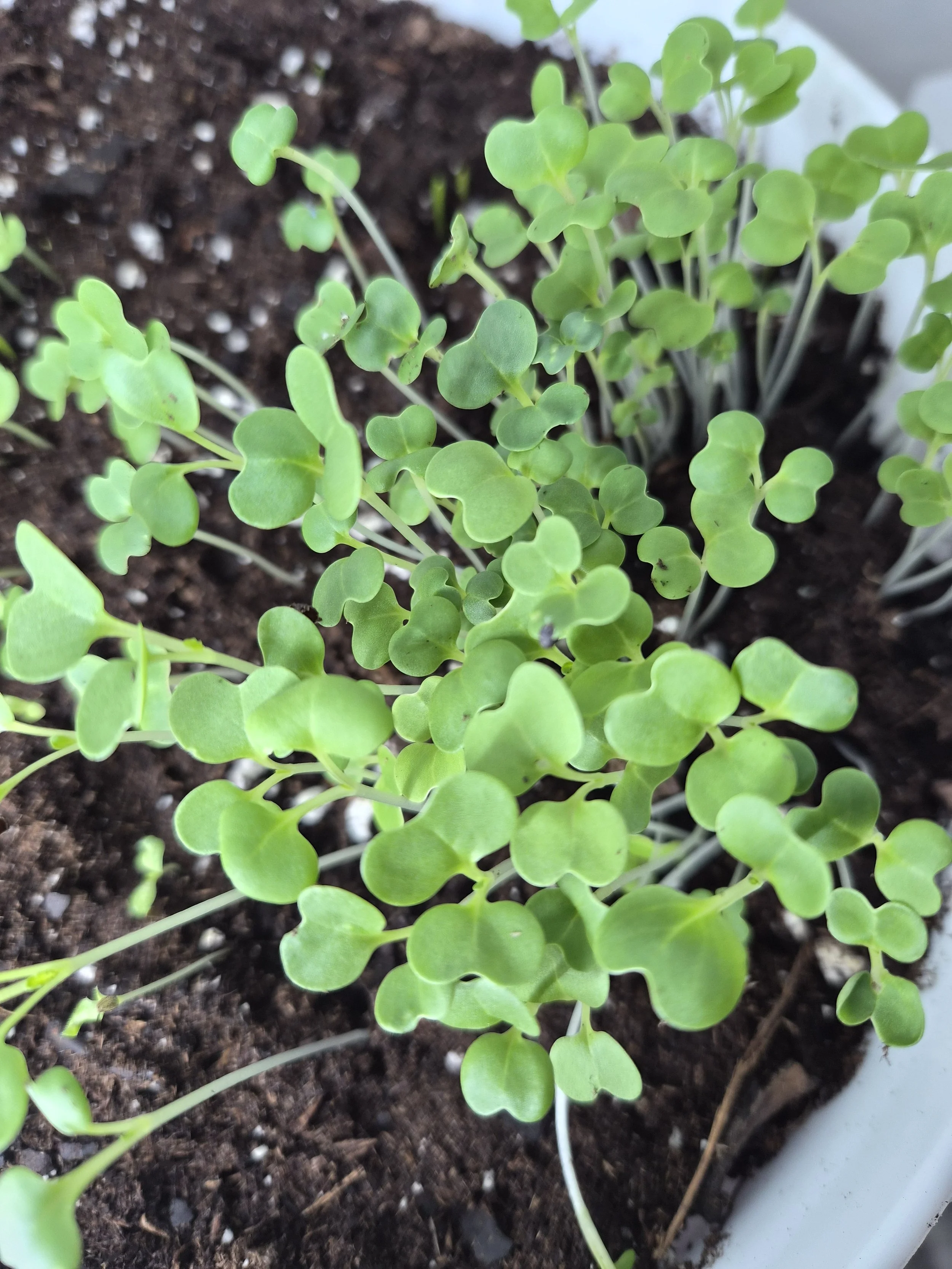
Today is a good day to build from the ground up.
Soil is not just something that holds plants upright. It is a living system that determines how well roots breathe, how nutrients move, and how resilient your crops become.
Whether you are growing peppers, mustard greens, cabbage, potatoes, ginger, citrus trees, or avocados, soil quality sets the foundation. When soil is balanced, plants thrive. When soil is compacted, depleted, or poorly draining, even the best care cannot compensate.
Healthy soil is not complicated. It is intentional.
🌱 What Healthy Soil Actually Means
Healthy soil has three main characteristics: structure, organic matter, and life.
Structure determines how well water drains and how much oxygen reaches roots. Organic matter feeds microbes and improves moisture balance. Soil life supports nutrient availability in ways synthetic inputs alone cannot replicate.
For crops like potatoes and ginger, loose soil allows roots and tubers to expand freely. For citrus and avocado trees, well draining soil prevents root suffocation. For collards, mustard greens, and cabbage, nutrient rich soil supports strong leaf development.
If you have ever struggled with plant performance despite good watering and light, the issue often begins below the surface. Why Gardens Struggle and What Actually Helps Them Thrive explores how foundational elements impact everything above ground.
🪴 Drainage Is Non Negotiable
Drainage is one of the most important aspects of soil health.
Fruit trees such as Meyer lemons, mandarins, mangoes, and olives require soil that drains freely. Roots sitting in saturated soil quickly decline. Peppers and cucumbers also prefer moisture that moves rather than lingers.
Heavy clay soil holds water too long. Sandy soil drains too quickly and struggles to retain nutrients. The goal is balance.
To improve drainage and structure:
Add compost to increase organic matter
Use coarse materials in container mixes for airflow
Avoid compacting soil by overworking it
Mulch to regulate surface moisture
Small adjustments in structure create significant improvements in root health.
🍂 Organic Matter Feeds the System
Compost is one of the simplest and most powerful ways to improve soil.
Organic matter improves moisture retention in sandy soil and loosens dense soil. It supports microbial life, which helps convert nutrients into forms plants can absorb.
Leafy greens like mustard and collards respond quickly to soil enriched with compost. Peppers produce more consistently in balanced soil. Root crops expand more evenly.
Healthy soil does not rely solely on fertilizers. It relies on living balance.
🌞 Soil and Light Work Together
Soil health and light availability are deeply connected.
Strong light increases water use and nutrient demand. Lower light reduces both. Soil that drains well and holds balanced nutrients allows you to adjust watering confidently without causing root stress.
Placement matters as much as soil composition. How to Find South Facing Windows for Your Plants can help align soil moisture with actual plant usage indoors.
When soil and light work together, plants become more resilient and predictable.
🧠 Soil Building Is Long Term Gardening
Healthy soil is not built overnight. It improves with consistent care and gradual amendments.
Instead of chasing quick fixes, focus on steady improvements. Add compost regularly. Observe drainage. Adjust mixes as needed for containers. Rotate crops when possible.
Soil building is one of the most empowering parts of growing your own harvests. When the foundation is strong, everything above it responds.
If you want guidance refining your soil practices for peppers, citrus, greens, and roots, you are welcome to grow alongside me inside our wellness and gardening community for Cultivators.
🌞 Final Thoughts
Healthy soil supports oxygen flow, nutrient balance, and steady root development. It is the quiet force behind strong harvests.
Improve structure. Add organic matter. Protect the surface. Observe how plants respond.
When soil thrives, your garden follows.
Stay Green Always 💚
Angeline Verdant
