Companion Planting for Stronger Growth and Healthier Harvests
Hey Cultivator, it is Angeline
Today is a good day to plant with intention.
Companion planting is the practice of growing certain plants near each other to improve growth, deter pests, support pollination, and create balance in your garden. It is not random mixing. It is strategic placement.
When done well, companion planting strengthens your crops naturally and reduces the need for constant correction. Whether you are growing peppers, mustard greens, citrus trees, cucumbers, or cabbage, thoughtful pairing makes a difference.
🌱 Why Companion Planting Works
Plants interact with their environment and with each other. Some release natural compounds that repel pests. Others attract beneficial insects. Some improve soil structure or provide light shade for sensitive crops.
Companion planting works because it mimics natural plant communities instead of isolating crops.
Instead of viewing each plant as separate, think in terms of systems. This mindset connects closely with Why Gardens Struggle and What Actually Helps Them Thrive, where balance and observation matter more than single fixes.
🪴 Strong Companion Pairings for Edible Gardens
Here are practical pairings that work well for the kinds of plants you grow:
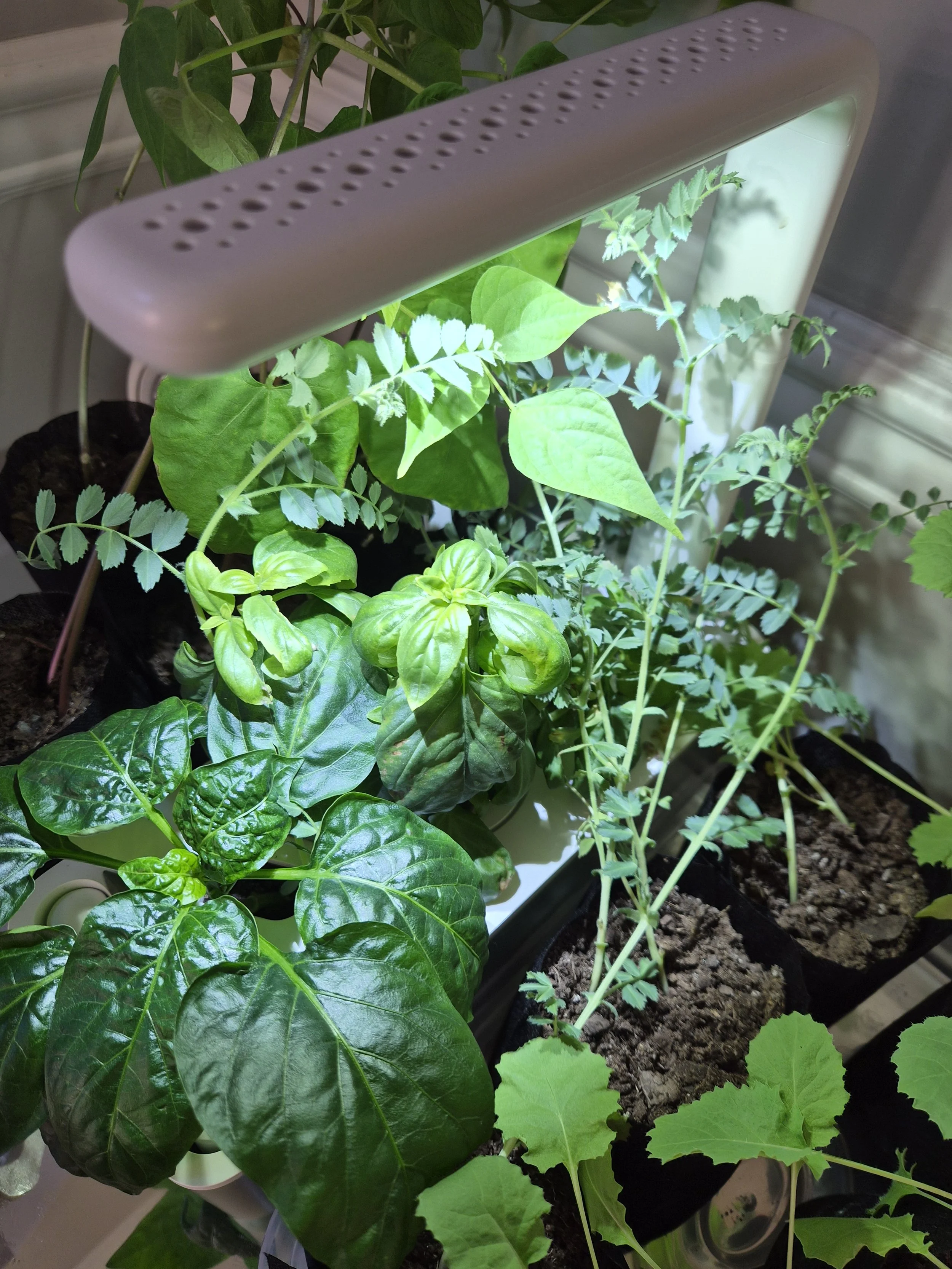
Peppers + Basil
Basil may help repel certain pests while thriving in similar light and watering conditions as sweet, banana, and habanero peppers.Cucumbers + Nasturtiums
Nasturtiums act as trap plants for aphids and other pests while cucumbers climb and produce.Cabbage + Dill
Dill attracts beneficial insects that help manage cabbage worms.Mustard Greens + Radishes
Radishes grow quickly and can help break up soil while mustard greens establish.Citrus Trees + Lavender
Lavender can attract pollinators and thrives in similar well draining soil conditions.
These combinations support airflow, pest balance, and efficient use of space.
🌞 Companion Planting and Pest Management
One of the biggest benefits of companion planting is natural pest reduction.
For example, strong scented herbs like lavender and basil can help mask the scent of nearby plants, making it harder for pests to locate them. Flowering companions bring in pollinators and predatory insects that support fruiting crops like peppers and citrus.
This does not eliminate all pest pressure, but it reduces intensity and supports a more resilient system.
If placement is a challenge indoors or in small spaces, How to Find South Facing Windows for Your Plants can help you pair crops according to light availability.
🌿 Spacing Still Matters
Companion planting does not mean crowding.
Airflow remains essential, especially for cabbage, collards, and cucumbers. Overcrowding creates moisture buildup and increases disease risk. Pair wisely, but always allow enough space for mature growth.
Spacing is especially important when growing in containers or hydroponic systems. Proper airflow strengthens stems and improves nutrient uptake.
🧠 Companion Planting Is About Observation
Not every pairing works the same in every environment. Climate, soil, and light influence results.
Start with proven combinations. Observe how your plants respond. Adjust as needed.
Companion planting is less about rigid charts and more about thoughtful design. When you plant intentionally, your garden becomes more self supporting over time.
If you enjoy refining systems and learning through experience, you are welcome to grow alongside me inside our wellness and gardening community for Cultivators.
🌞 Final Thoughts
Companion planting strengthens your garden naturally by improving pest balance, soil health, and plant resilience.
Pair wisely. Space properly. Observe consistently.
A well planned garden works together instead of competing within itself.
Stay Green Always 💚
Angeline Verdant
