How to Find South Facing Windows for Plants and Natural Light
Hey Cultivator, it is Angeline
Your windows are some of the most powerful growing tools you have. Before you buy another grow light or new plant, it helps to know which windows bring the strongest, most reliable light into your home.
In the northern hemisphere, south facing windows usually receive the longest and most consistent sun. That makes them prime real estate for both healthy plants and cozy, naturally lit rooms.
Let us walk through how to find those windows and how to put them to work for your plants and your wellness.
🧭 Simple Ways to Tell Which Windows Face South
You do not need special equipment to figure out which direction your windows face. A few small observations can tell you a lot.
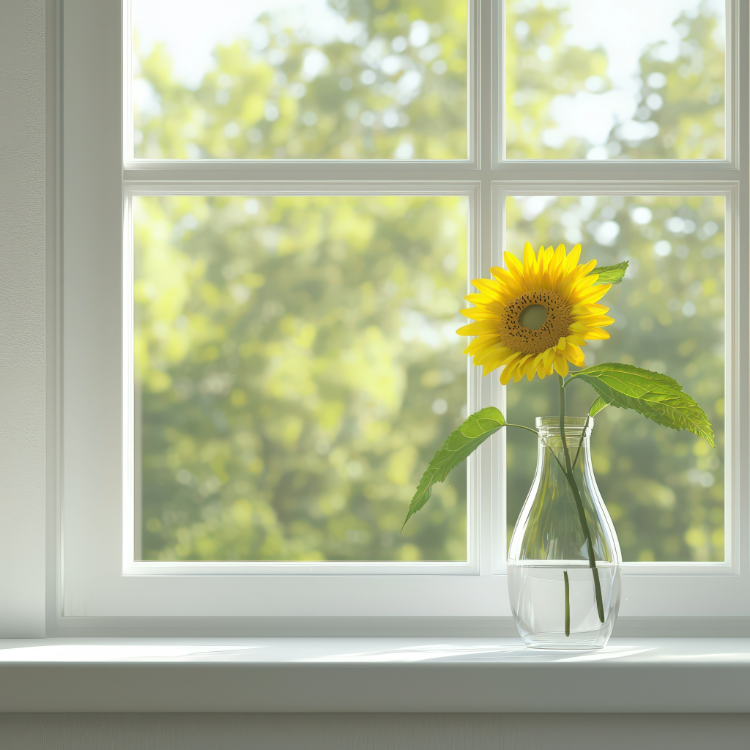
Notice which windows receive the most direct sun between late morning and mid afternoon. In most homes in the northern hemisphere, that is the south side.
Use a compass or a compass app on your phone. Stand facing the window. If your screen reads close to “S” or “180,” that window is facing south.
Look at shadows around noon. If you stand with your back to the window and your shadow points roughly north, you are facing a south window.
Once you identify one south facing wall, the others fall into place. Opposite that wall you will find your north side, and to the left and right you will find east and west.
If you want help mapping the light in your own space, plus live plant check ins and room by room guidance, you can grow along with me inside my private Cultivators community
🌞 Understanding the Light From South Facing Windows
South facing windows usually receive light for most of the day. In many homes that means softer light in the morning, stronger light around midday, and warm light in the afternoon.
The exact intensity will depend on a few things. Trees, neighboring buildings, roof overhangs, window size, and even balcony railings can all soften or block light. That is why two homes with south facing windows can feel very different.
Spend a couple of days simply watching your chosen windows. Notice where the light lands on the floor and walls at different times. Pay attention to which spots feel bright and which feel gently filtered. This will help you match plants to the right part of the window later.
If you want easy ideas for what to grow once you understand your light, you can explore Easiest Foods to Grow Indoors and start with crops that are more forgiving.
🌱 Using South Facing Windows for Plant Growth
Once you know which windows face south and how strong they are, you can start assigning plants to their new homes.
Plants that love bright conditions, such as many herbs, peppers, compact tomatoes, and succulents, usually thrive closest to the glass or within the strongest band of light. More delicate or shade tolerant plants can sit a little farther back, where the light is bright but indirect.
You can create soft layers near each south window. Taller plants at the sides, trailing plants on shelves, and smaller pots closer to the center. Rotate your plants every week or two so each side gets its moment toward the light. This keeps growth more even and reduces leaning.
Remember that south facing sun can be intense in summer. If leaves begin to look washed out, crisp, or scorched, pull plants a little farther from the glass or add a sheer curtain to filter the light. You are creating a comfortable light bath, not a spotlight.
🧠 Using Natural Light to Reduce Artificial Lighting
Good light for plants can also be good light for you.
When you intentionally use south facing windows, you often need fewer overhead lights during the day. This can soften the feel of your rooms and reduce your reliance on bright artificial light, which many people find overstimulating.
Try arranging seating, desks, or reading corners so that natural light falls across your workspace rather than shining directly into your eyes. Let your plants share that light with you. A shelf of herbs near the kitchen window, a cluster of greens by the dining table, or a vine trailing near your reading chair all bring life into the spaces where you spend the most time.
As the seasons shift, you may move plants a little closer or farther from the glass, but your basic map stays the same. Once you know where true south is, you can keep using that knowledge year after year.
🌸 Keep Growing With Me
If you would like more support with setting up plant friendly rooms, choosing crops for different light levels, and building indoor routines that feel calm and sustainable, you are welcome to learn alongside me inside our members only space for Cultivators
🌞 Final Thoughts
Finding your south facing windows is one of the simplest ways to improve your indoor gardening and your home at the same time. With a little observation and a small shift in where you place your plants, you can give them stronger light and give yourself gentler, more natural days.
You do not have to get it perfect. Start by finding one south facing window, watch how the light moves, and let a few plants test that spot. As you learn, you can slowly rearrange your space until your plants and your natural light are working together.
Stay Green Always 💚
Angeline Verdant
