Why Linen Sheets Are Better for Sleep, Skin, and Sustainable Living
Hey Cultivator, it is Angeline
We talk a lot about soil, seeds, and what happens in the garden. But your wellness is also shaped by what happens when the lights go out and you climb into bed. The fabric that touches your skin for hours each night can either work against your comfort or quietly support it.
Linen sheets are one of those quiet supports.
They are breathable, naturally textured, and designed to soften over time. They can help regulate your temperature, stay comfortable in different seasons, and fit beautifully inside a more sustainable lifestyle. Let us look at why linen is worth considering if you want your bedroom to feel as intentional as your garden.
😴 Why Linen Is Better for Sleep
Quality sleep is one of the strongest wellness tools you have. Linen supports that by helping your body stay in a comfortable temperature range through the night.
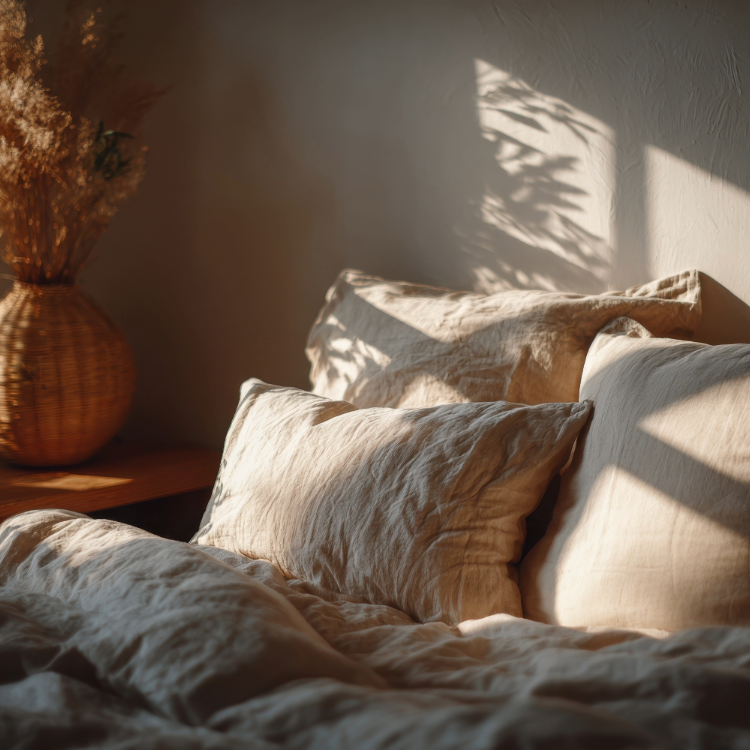
Linen is woven from flax, a natural fiber that allows more airflow than many tightly woven cotton or synthetic fabrics. Instead of trapping heat and moisture, it lets excess warmth move away from your body. That makes a big difference if you tend to sleep warm, share a bed, or live in a climate with hot summers.
Because linen can absorb moisture and release it quickly, it also helps if you experience night sweats or temperature swings. The bed feels drier and less clingy, so you are less likely to wake up uncomfortable. Over time, as the fabric softens with each wash, it drapes more easily and becomes even more restful to sleep in.
When your bedding supports your natural rhythms instead of fighting them, it becomes easier to fall asleep and stay asleep. You are not tossing and turning trying to find the cool side of the bed. Your sheets are working with you.
If you are building an evening routine that connects rest and homegrown calm, you may also enjoy Indoor Gardening as a Daily Self Care Ritual and let your plants become part of how you wind down.
🌸 Why Linen Feels Better on Skin
Your skin spends more hours in contact with your sheets than with most of your daytime clothes. Linen’s natural texture and fiber structure can be kinder, especially if your skin is sensitive.
Unlike some synthetic fabrics that can trap heat and feel slick, linen has a gentle, breathable texture. It feels substantial but not heavy. As it softens, it develops a lived in comfort that many people describe as relaxed and luxurious at the same time.
High quality linen is often made with fewer harsh finishes and less processing than some conventional bedding. That means fewer chemicals are sitting on the fabric against your face, arms, and legs. For sensitive or easily irritated skin, that difference can be noticeable.
Because linen handles moisture well, it also helps your skin feel less sticky on warm nights. Instead of fabric clinging to you, it lifts lightly away, giving your skin room to breathe while you rest.
🌍 Why Linen Supports Sustainable Living
Linen also fits beautifully into a more sustainable lifestyle.
Flax, the plant used to make linen, generally requires less water and fewer inputs than many other fiber crops. The finished fabric is strong and long lasting, which means well made linen sheets can stay in your rotation for many years instead of needing frequent replacement.
When you choose linen, you are often choosing fewer but better pieces for your home. That aligns with a slower, more thoughtful way of living. You invest once, care for your sheets, and enjoy them across seasons rather than treating bedding as something to replace often.
For a broader view on how small home choices support wellness and the planet, you can visit Sustainable Living Habits That Improve Everyday Wellness and see how bedding, gardening, and daily routines all connect.
At the end of their life, natural fibers like linen are also easier to repurpose or return to the earth than synthetic blends. They can be cut into cleaning cloths, used for craft projects, or composted if the weave and finishes are appropriate.
🧺 How to Choose and Care for Linen Sheets
You do not need to overhaul your entire bedroom all at once. Start with one set and let yourself adjust.
Look for one hundred percent linen rather than blends so you get the full benefit of breathability and durability
Choose a mid weight linen that feels substantial but not stiff, remembering it will soften with each wash
Start with pillowcases or a duvet cover if a full sheet set is not in budget right now
Wash with gentle detergent and avoid heavy fabric softeners that can coat the fibers
Line dry when possible or use a low heat setting to protect the fabric over time
As you rotate linen into your bedroom, pay attention to how you feel in the morning. Many people notice they wake up less hot and less tangled in their sheets, which makes the day easier from the very first steps out of bed.
If you enjoy weaving these small wellness choices into your home life, you can learn and grow alongside me and other home gardeners inside my Cultivators Community
🌸 Keep Growing with Me
Your bedroom can be an extension of the same care you bring to your garden. Breathable fabrics, calmer colors, and intentional choices all support the way you move through your days and nights.
If you are ready for more ideas that blend gardening, sustainable living, and everyday wellness, along with live sessions and behind the scenes routines, you are welcome to become a Cultivator Here
🌞 Final Thoughts
Linen sheets are not magic, but they are one of those quiet upgrades that can touch many layers of your life. Better airflow supports deeper sleep. Gentler fabric supports calmer skin. Long lasting natural fibers support a more sustainable home.
You do not have to change everything at once. Start with one piece. Notice how it feels to end your day in a bed that is working with your body instead of against it.
Small changes, repeated over time, become part of the intentional life you are building.
Stay Green Always 💚
Angeline Verdant
