Amaranth
Proper name: Amaranthus spp.
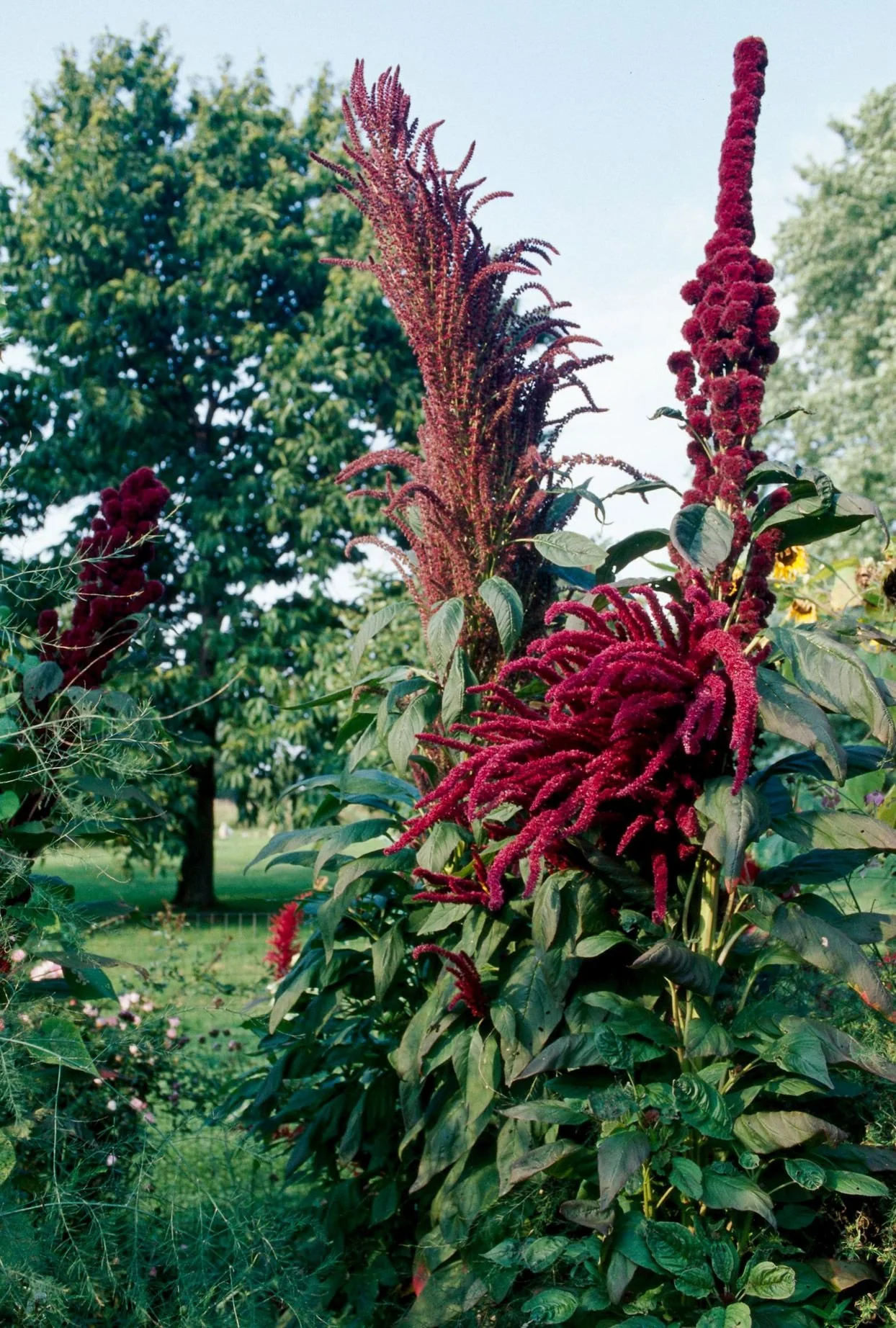
Amaranth is a versatile, fast growing food plant cultivated for both its edible leafy greens and protein rich grain. Celebrated for its heat tolerance and adaptability, amaranth thrives where many traditional crops struggle. Young leaves cook like spinach with a mild, earthy flavor, while mature seed heads yield a naturally gluten free grain used in porridges, popped snacks, and flour.
AKA’s (Also Known As)
Amaranth is known by many names worldwide, reflecting its cultural and culinary importance:
Pigweed – Common in North America, often referring to wild or volunteer edible species
Callaloo – Caribbean name for leafy amaranth dishes and greens
Chinese Spinach – Culinary name used for leaf varieties in Asian cuisine
African Spinach – Regional name across parts of Africa for edible greens
Love Lies Bleeding – Ornamental amaranth with cascading red seed heads
Huautli – Traditional Nahuatl name used by the Aztecs for grain amaranth
These names may describe leafy, grain, or ornamental forms, all within the same plant genus.
History
Amaranth has been cultivated for more than 7,000 years and was a cornerstone crop in ancient Mesoamerica, particularly among the Aztecs, where it was grown alongside maize and beans. It held both nutritional and ceremonial significance. After colonization, cultivation declined but persisted in traditional farming systems across the Americas, Africa, and Asia. Today, amaranth is experiencing renewed interest as a climate smart, nutrient dense food crop.
Plant Size
Leaf varieties: 3 to 5 feet tall, bushy growth
Grain varieties: 6 to 8 feet tall with large upright seed heads
Its bold form also makes it a striking edible ornamental.
Germination Time
Seeds germinate in 5 to 10 days under warm conditions. Seeds are very small and should be surface sown or lightly covered. Maintain consistent moisture during early growth.
Best Growing Zones
Amaranth grows well in USDA Zones 2 through 11, with best performance in warm regions and long summers.
Light Requirements
Full sun preferred
6 to 8+ hours of direct sunlight daily
Tolerates partial sun but produces best growth and grain yields with strong light
Indoor growers should use high quality grow lights placed close to the canopy
Growing Methods
Soil: Yes
Hydroponic: Yes, best for leafy greens rather than grain
Indoor: Yes, when grown for greens with sufficient light
Outdoor: Yes
Container: Yes, use containers at least 12 inches deep, larger for grain varieties
Growing Notes
Amaranth prefers well drained soil and even moisture during early growth. Once established, it is drought tolerant and low maintenance. Regular harvesting of young leaves encourages continued production. Grain varieties should be left to fully mature before harvesting seed heads.
Similar and Related Plants
Spinach (cool season leafy green)
Swiss chard (heat tolerant leafy green)
Quinoa (protein rich pseudo grain)
Lamb’s quarters (closely related wild edible)
Amaranth stands out as a resilient plant well suited for warm regions and challenging growing conditions. With minimal care and generous harvests, it is a dependable choice for growers seeking reliable food plants. From leaf to seed, amaranth provides nutrient dense harvests that support balanced, homegrown meals.
