Anise
Proper name: Pimpinella anisum
Family: Apiaceae
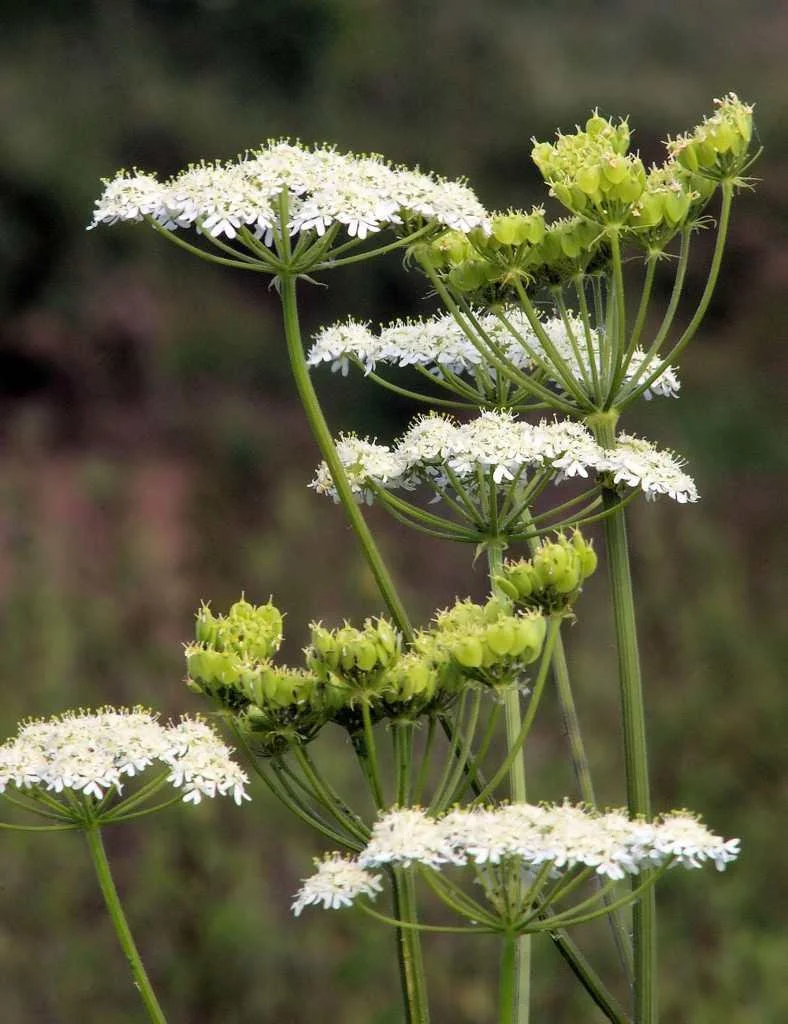
Anise is an aromatic annual herb grown for both its seeds and delicate leaves, prized for their mild licorice like flavor. It has been cultivated for centuries for culinary, medicinal, and cultural uses. Anise is especially valued in teas, baked goods, and traditional spice blends, and it is a beautiful addition to herb gardens due to its airy foliage and white flower umbels.
AKAs (Also Known As)
Aniseed – Common culinary name for the seeds
Sweet Anise – Used to distinguish it from star anise, which is a different plant
Common Anise – Botanical reference in herb literature
Note: Anise is not the same as star anise (Illicium verum), though they share a similar flavor profile.
History
Anise has a long history dating back to ancient Egypt, Greece, and Rome, where it was used to flavor foods, freshen breath, and support digestion. Roman cooks commonly used anise in spiced cakes served after meals, a tradition that helped spread its use throughout Europe. Over time, anise became a staple in Middle Eastern, Mediterranean, and European baking and herbal traditions. Today, it remains an essential spice in both sweet and savory cuisines worldwide.
Plant Size
Anise typically grows 18 to 36 inches tall, with slender stems and finely divided, feathery leaves. Its small white flowers form umbrella shaped clusters that attract beneficial insects.
Germination Time
Seeds germinate in 7 to 14 days. Anise does not transplant well due to its taproot and is best direct sown after the danger of frost has passed.
Best Growing Zones
Anise grows best in USDA Zones 4 through 9 as a warm season annual. It prefers a long, frost free growing period.
Light Requirements
Full sun required
Needs 6 to 8 hours of direct sunlight daily
Insufficient light can reduce seed production and flavor strength
Growing Methods
Soil: Yes, preferred growing method
Hydroponic: Possible for leaf growth, but not ideal for seed production
Indoor: Limited success, best grown outdoors
Outdoor: Yes, recommended
Container: Yes, use deep containers to accommodate the taproot
Growing Notes
Anise prefers well drained soil, consistent moisture, and minimal disturbance once established. Avoid transplanting. Harvest leaves as needed. Seeds are ready when flower heads turn brown and dry. Cut seed heads and allow them to dry fully before storing.
Similar and Related Plants
Fennel (similar licorice flavor, larger plant)
Dill (same plant family, airy foliage)
Caraway (used for seeds in baking)
Coriander (cilantro seed)
Amaranth stands out as a resilient plant well suited for warm regions and challenging growing conditions. With minimal care and generous harvests, it is a dependable choice for growers seeking reliable food plants. From leaf to seed, amaranth provides nutrient dense harvests that support balanced, homegrown meals.
