Apricot
Proper name: Prunus armeniaca
Family: Rosaceae
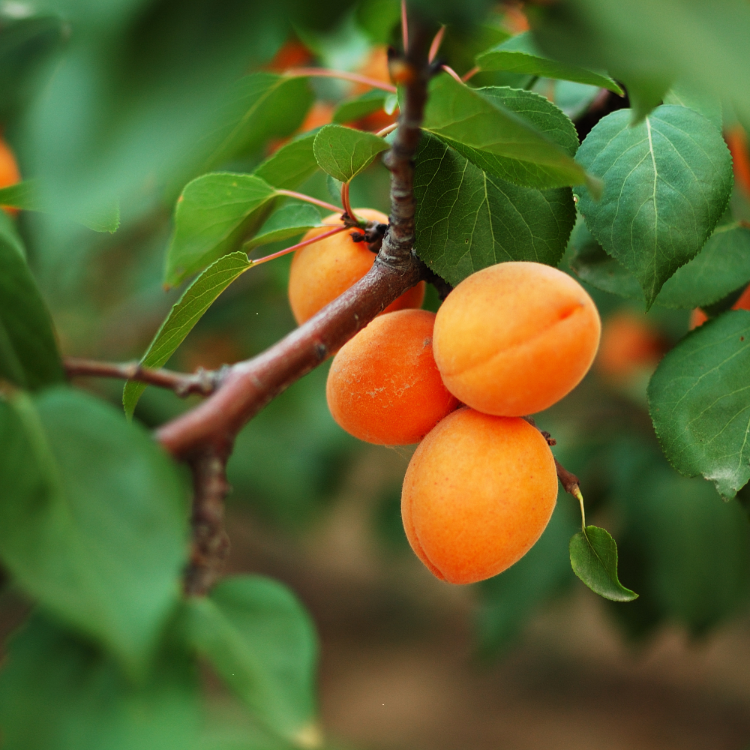
Apricot is a deciduous stone fruit tree grown for its sweet, aromatic fruit that ripens early in the season. Known for its delicate blossoms and tender fruit, apricot is one of the first fruit trees to bloom in spring, which makes it productive but also vulnerable to late frosts. With proper placement and care, apricot trees can be highly rewarding in the home food garden.
AKAs (Also Known As)
Armenian Plum – Refers to its historical association with Armenia
Stone Apricot – Informal reference to the hard pit
Common Apricot – Used to distinguish it from ornamental or wild species
History
Apricots are believed to have originated in Central Asia and China, where they have been cultivated for thousands of years. The fruit spread westward through trade routes into Persia, Armenia, and the Mediterranean region. Apricots were later introduced to Europe and North America, becoming especially popular in regions with dry summers and mild winters. Today, apricots are valued for fresh eating, drying, preserves, and baking.
Tree Size
Apricot trees are considered small to medium sized fruit trees.
Standard trees: 15 to 25 feet tall
Semi dwarf varieties: 12 to 15 feet
Dwarf varieties: 8 to 10 feet
Regular pruning helps manage size and improve airflow.
Time to Fruiting
Apricot trees typically begin producing fruit 3 to 4 years after planting, depending on variety and growing conditions.
Best Growing Zones
Apricots grow best in USDA Zones 5 through 8. They require winter chill to set fruit but benefit from locations with late spring frost protection.
Light Requirements
Full sun essential
Requires 8 or more hours of direct sunlight daily
Adequate sunlight improves fruit sweetness and tree health
Growing Methods
Soil: Yes, preferred
Hydroponic: No
Indoor: No
Outdoor: Yes
Container: Yes, dwarf varieties only, using large containers (20+ gallons)
Growing Notes
Apricot trees prefer well drained soil and good air circulation. Because they bloom early, late frosts can damage flowers and reduce fruit set. Planting near a wall, fence, or in a slightly elevated area can help protect blossoms. Some varieties are self fertile, but cross pollination can improve yields. Regular pruning during dormancy supports long term productivity.
Similar and Related Plants
Peach
Plum
Nectarine
Cherry
These stone fruits share similar care needs and pruning methods.
Apricot trees offer early harvests and exceptional flavor for growers willing to protect blossoms from spring frosts. With thoughtful placement and proper care, they become a long lasting and productive addition to the food garden.
