Black Rice
Proper name: Oryza sativa (black or purple rice varieties)
Family: Poaceae
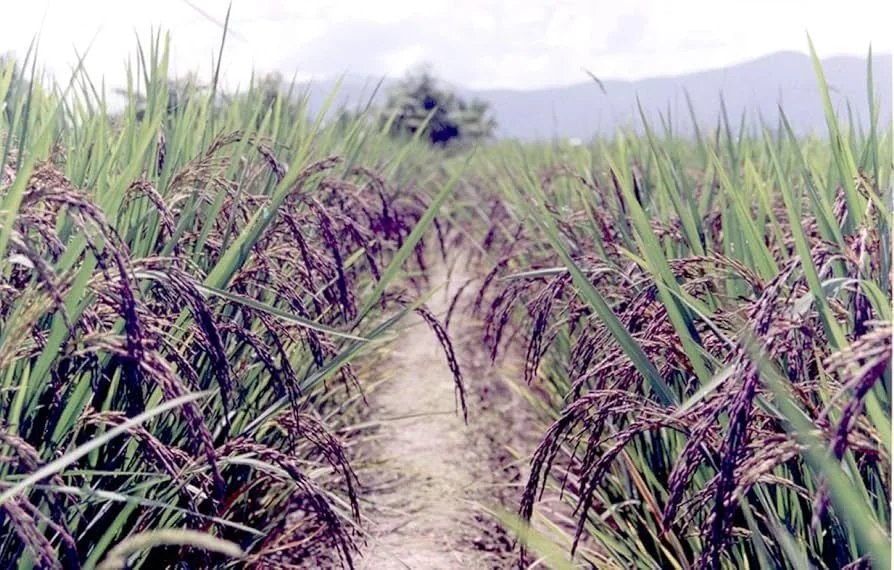
Black rice is a nutrient dense whole grain known for its deep purple black color, nutty flavor, and chewy texture. Often called a heritage rice, it is rich in antioxidants and has long been valued as a nourishing staple. While traditionally grown in flooded fields, black rice can also be grown on a small scale in containers or garden beds with consistent moisture.
AKAs (Also Known As)
Forbidden Rice – Historical name tied to ancient China
Purple Rice – Refers to the color when cooked
Emperor’s Rice – Another traditional reference
Heirloom Black Rice – Used in seed catalogs
History
Black rice has been cultivated for thousands of years in ancient China, where it was reserved for royalty due to its perceived health benefits. Common people were once forbidden from growing or eating it, giving rise to its famous nickname. Over time, black rice spread across Asia and later to global kitchens, where it is now celebrated for both its flavor and nutritional value.
Plant Size
Height: 3 to 5 feet
Growth habit: Upright grass with narrow leaves
Plants produce grain heads at maturity similar to other rice varieties.
Germination Time
Seeds germinate in 7 to 14 days when kept warm and consistently moist. Seeds are typically started indoors or soaked before planting to encourage faster sprouting.
Time to Harvest
Black rice reaches maturity in 120 to 150 days, depending on variety and climate. Grain heads are harvested once they turn brown and dry.
Best Growing Zones
Black rice grows best in USDA Zones 7 through 11 outdoors. In cooler regions, it can be grown as a warm season annual with a long summer or in protected environments.
Light Requirements
Full sun required
Needs 6 to 8+ hours of direct sunlight daily
Insufficient light reduces grain formation
Growing Methods
Soil: Yes
Hydroponic: No
Indoor: Limited success, best for experimental container growing
Outdoor: Yes
Container: Yes, large containers or tubs with consistent moisture
Growing Notes
Black rice prefers consistently wet soil, similar to traditional paddy conditions, though it can grow in saturated garden beds. Regular feeding supports grain development. Harvest plants when grains are firm and fully colored, then dry thoroughly before hulling.
Similar and Related Plants
Brown rice
Red rice
Jasmine rice
Wild rice (not true rice but grown similarly)
Black rice offers gardeners a chance to grow a culturally rich, nutrient dense grain at home. With patience, warmth, and water, it becomes a rewarding addition to the food plant library and the home kitchen.
